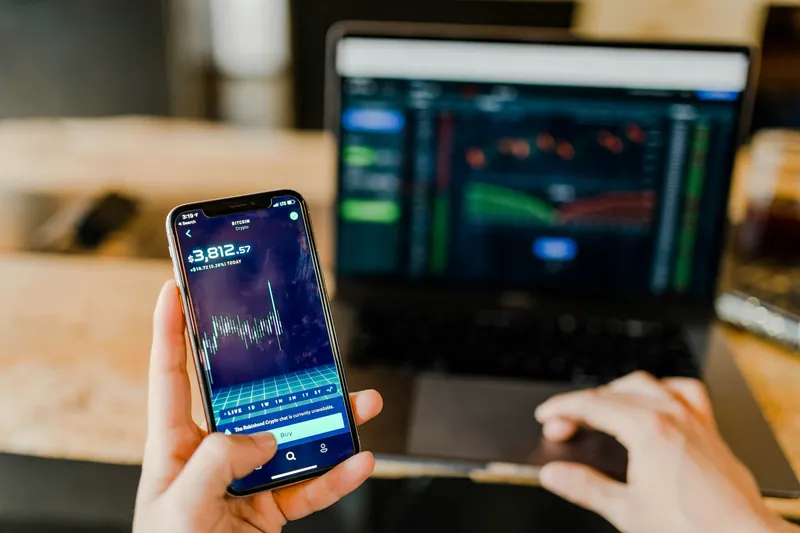
The landscape of retail trading has undergone a dramatic transformation over the past decade. What started as a domain dominated by institutional investors with access to sophisticated tools and market data has evolved into a democratized space where individual traders can harness the power of artificial intelligence to make informed investment decisions.
The integration of AI into retail trading platforms is no longer a trend — it's the baseline. The question today is not whether AI plays a role in retail trading, but which capabilities genuinely improve decisions and which are marketing dressed up as intelligence.
The Current State of AI in Trading
Today's AI-powered trading platforms offer capabilities that were unimaginable just a few years ago. Machine learning models can process vast amounts of market data, news sentiment, and quantitative indicators in real-time, providing traders with insights that would take human analysts hours or even days to generate.
💡 Key Insight
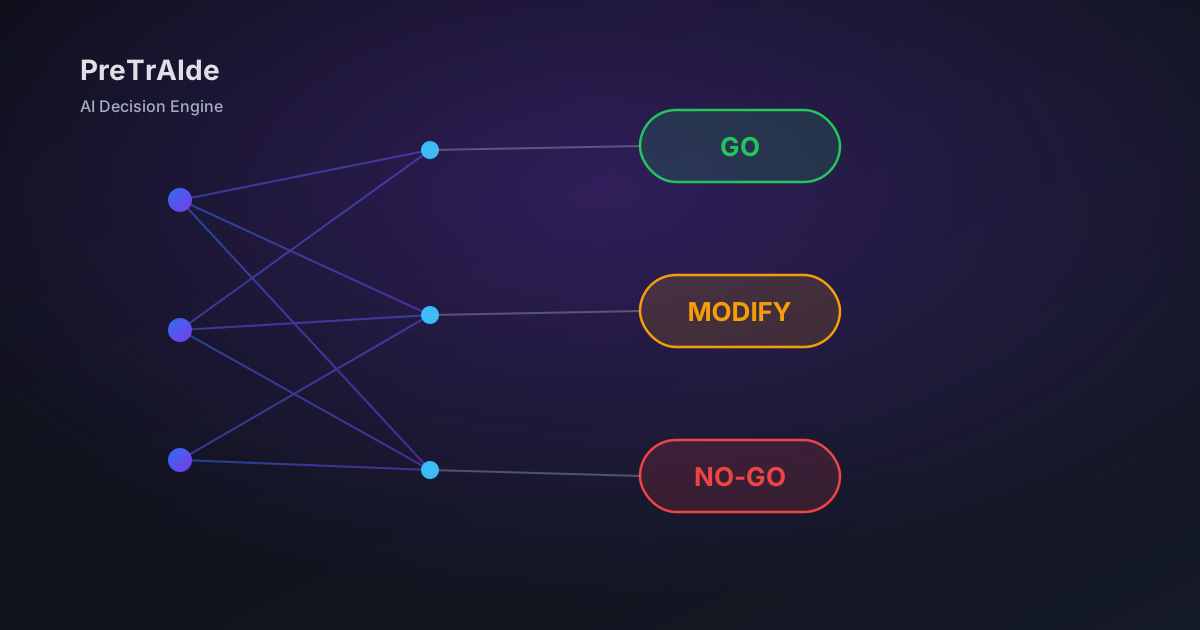
The biggest shift isn't prediction accuracy — it's process. AI's most reliable contribution to retail trading is running the same disciplined, systematic pre-trade check on every single trade, without the fatigue, overconfidence, or emotional bias that makes humans skip steps.
Advances in natural language processing now let AI systems analyze news articles, earnings reports, and analyst commentary to gauge market sentiment with far more nuance than the keyword-counting tools of a few years ago. Combined with quantitative and fundamental analysis, this provides a genuinely holistic view of market conditions.
Real-Time Decision Support
One of the most significant advantages of AI in trading is its ability to process information and surface risks in real time. While human traders might miss critical signals due to information overload or emotional bias, AI systems can:
- Monitor hundreds of stocks simultaneously
- Identify patterns and correlations across different market sectors
- Flag liquidity, concentration, and volatility risks before a trade is placed
- Adjust risk assessments as market conditions change
Where AI Trading Is Heading Next
Several trends are shaping the next phase of AI in retail trading:
1. From Prediction to Pre-Trade Discipline
The first wave of AI trading tools promised to predict prices. The maturing wave is more honest and more useful: applying institutional-grade pre-trade analysis — liquidity ratios, market impact modeling, concentration measures — to retail-sized decisions, so risks are visible before capital is committed rather than explained after the loss.
2. Explainable Decisions, Not Black Boxes
Regulators and users alike are pushing in the same direction: an AI verdict is only as valuable as the reasoning behind it. Modern systems anchor language-model reasoning to deterministic quantitative scores and pass every output through rules-based guardrails — so a recommendation can be audited, not just trusted.
3. Personalized Risk Management
AI systems are becoming increasingly sophisticated at understanding individual risk tolerance and investment goals. By analyzing portfolio composition and stated preferences, AI can provide personalized risk management recommendations that adapt to changing market conditions.
4. Natural Language Interfaces
The barrier between complex trading analytics and retail investors keeps falling. Describing an investment idea in plain English and receiving a structured, quantified analysis back is no longer futuristic — it's how modern decision-support platforms already work.
Conclusion
The integration of AI in retail trading represents one of the most significant shifts in financial markets since the advent of electronic trading. The traders who benefit most are those who embrace these technologies while maintaining a disciplined approach to risk management.
The democratization of sophisticated trading tools through AI is leveling the playing field between retail and institutional investors. However, with great power comes great responsibility. Traders must remain vigilant, continuously educate themselves, and remember that while AI can enhance decision-making, it cannot eliminate the inherent risks of trading.
The future of retail trading is not about replacing human traders with machines — it's about empowering human traders with machine intelligence. Those who can successfully navigate this partnership will find themselves at the forefront of a trading revolution that promises to reshape financial markets for generations to come.